

Breakfast | Green Shakshuka for Gut Health
I often speak with clients who feel they need a total "reset", especially when the seasons change, or in preparation for that. So many have tried changing themselves for Summers or for a trip to warmer places. However, the science of nutrition tells a more nuanced story. It is not about drastic restrictions or "cleanses" that leave you feeling depleted. Instead, it is about alignment. Spring is the season of renewal, and our gut microbiome responds beautifully when we introduce the diverse, fibrous greens that begin to emerge this time of year.
This Green Shakshuka is designed to be that bridge. It is a savoury, one-pan meal that celebrates the return of colour to our plates while providing a sophisticated profile of nutrients that support your internal ecosystem.
The Science of Spring Variety
When we talk about gut health, the conversation often begins and ends with probiotics. While fermented foods are wonderful, the true foundation of a resilient microbiome is microbial alpha diversity. This term refers to the number of different species of microorganisms living within your digestive tract. Research from the American Gut Project has demonstrated that individuals who consume more than 30 different types of plants per week have significantly more diverse microbiomes than those who consume fewer than ten [1].
Spring provides the perfect opportunity to hit this target. Unlike a traditional red shakshuka which relies heavily on tomatoes, this green version allows us to layer multiple species of plants into a single pan. By using leeks, garlic, spinach, kale, and fresh herbs, we are not just making a meal: we are providing a variety of "fuels" for different bacterial strains.
Why Fibre is the Hero of This Dish
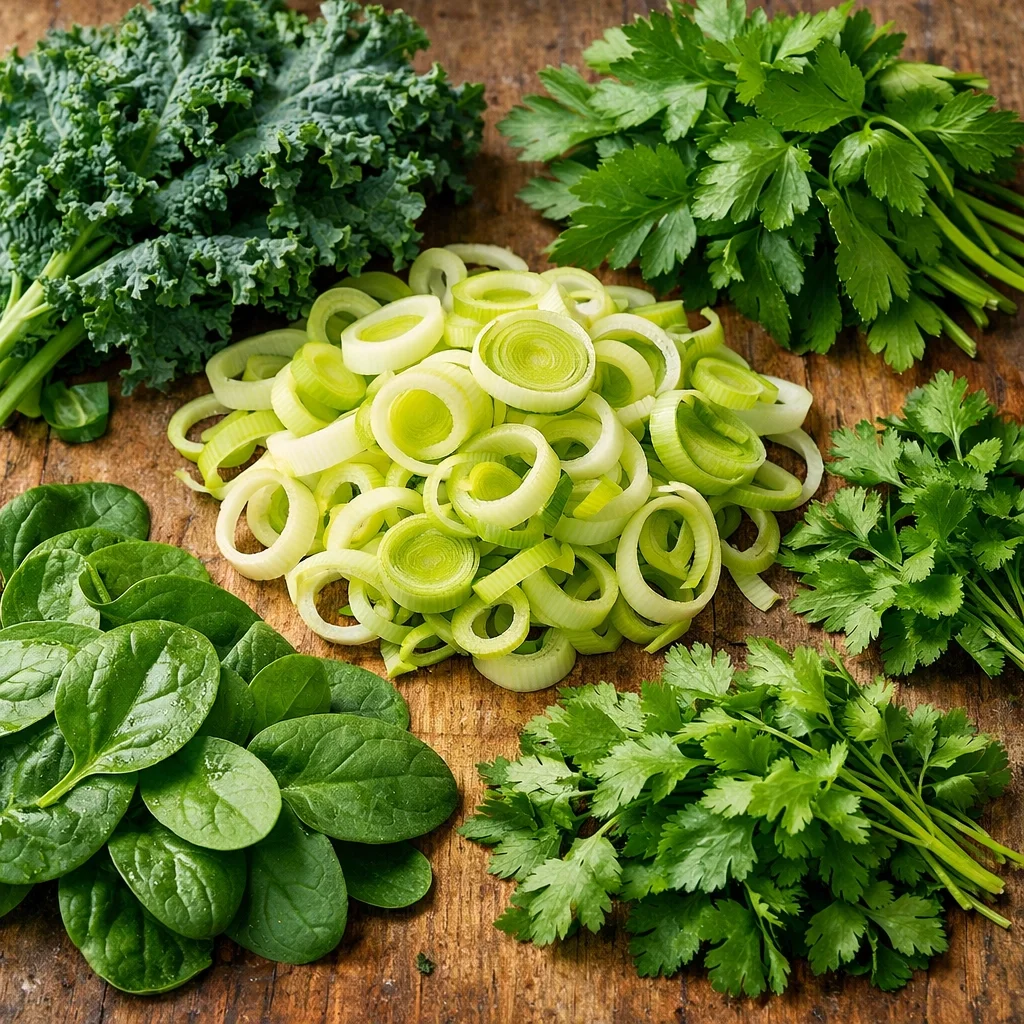
This recipe provides 7 grams of dietary fibre per portion, which is a substantial contribution toward the daily recommendation of 25 to 38 grams. But it is not just the quantity of fibre that matters; it is the type.
Leafy greens and alliums (like leeks and garlic) are rich in prebiotic fibres. These are non-digestible carbohydrates that pass through the upper gastrointestinal tract relatively intact. Once they reach the colon, they are fermented by your resident bacteria [2]. This fermentation process produces short-chain fatty acids (SCFAs), most notably butyrate.
Butyrate is a fascinating molecule. It serves as the primary energy source for the cells lining your colon (colonocytes) and plays a critical role in maintaining the integrity of the gut barrier [3]. When we eat a fibre-rich breakfast like this Green Shakshuka, we are essentially sending a "maintenance crew" to our gut lining first thing in the morning. This is a far more effective way to support your health than the restrictive approaches often marketed during the spring season.
Ingredients: A Symphony of Greens
To make this recipe for two people, you will need the following items. This dish is naturally vegetarian and gluten-free, making it an inclusive option for many different dietary needs.
1 tablespoon avocado oil or extra virgin olive oil
1 medium leek, white and light green parts only, thinly sliced
2 cloves of garlic, minced (more if you enjoy garlic!)
1 teaspoon of ground cumin (cumin seeds also work great)
1/2 teaspoon of sea salt
1/4 teaspoon of black pepper
4 cups of packed baby spinach
2 cups of kale, finely chopped
1/2 cup of fresh parsley, chopped
1/4 cup of fresh cilantro or dill, chopped
1/4 cup of water or vegetable broth
4 large organic eggs
1/2 an avocado, sliced (for serving)
Optional: A sprinkle of feta cheese or a dollop of Greek yogurt
Preparation Method
Sauté the Alliums: Heat the oil in a large skillet over medium heat. Add the sliced leeks and cook for about 5 to 7 minutes until they are soft and translucent. Add the garlic and cumin, cooking for another minute until the aroma fills your kitchen. The oils in the cumin are fat-soluble, so sautéing them briefly in the oil helps unlock their flavour and potential antioxidant benefits.
Wilt the Greens: Add the chopped kale first, as it requires slightly more time to soften than spinach. Pour in the water or broth and cover the pan for 2 minutes. This creates steam that breaks down the tough cellulose in the kale, making the fibre easier for your microorganisms to process.
Combine the Herbs: Stir in the spinach and the fresh herbs. It may look like a mountain of greens at first, but they will wilt down significantly. The inclusion of fresh herbs like parsley and cilantro adds more than just flavour; these plants are high in polyphenols, which act as further fuel for beneficial bacteria [4].
Poach the Eggs: Use a large spoon to create four small wells in the greens mixture. Carefully crack an egg into each well. Season the tops of the eggs with a pinch of salt and pepper.
The Final Simmer: Turn the heat down to low, cover the skillet with a lid, and let it cook for 5 to 8 minutes. You want the whites to be set but the yolks to remain slightly runny. A runny yolk provides a rich, creamy sauce that ties the greens together without the need for heavy creams or processed additives.

Nutritional Profile and Mindful Consumption
Per portion (half the recipe), this meal provides approximately:
Calories: 310 kcal
Fibre: 7g
This balance of macronutrients is intentional. The combination of high fibre and high protein helps to stabilize blood glucose levels, preventing the mid-morning energy crash that often follows a sugar-heavy breakfast. For those navigating perimenopause or menopause, metabolic efficiency becomes even more important. Supporting your blood sugar through a nutrient-dense breakfast can have a positive ripple effect on your energy and mood for the rest of the day.
If you find yourself hurrying through your morning, I encourage you to try a mindful approach with this dish. Notice the different shades of green in the pan. Observe the texture of the wilted kale compared to the soft spinach. Taking a moment to appreciate the "visual feast" of seasonal produce can actually improve digestion by engaging the cephalic phase of digestion, where your brain signals your stomach to begin producing digestive enzymes before the first bite is even taken.
Building Sustainable Habits
The beauty of the Green Shakshuka is its versatility. While I have suggested a specific mix of greens, the principle of microbial diversity encourages you to use whatever is fresh at your local market. You might swap the kale for Swiss chard or add a handful of spring peas for extra texture.
If you feel overwhelmed by the idea of tracking "30 plants a week," remember that it is not a matter of discipline or perfection. It is a journey of gradual progress. Starting your day with five or six different plant species in one pan puts you well on your way.
As we move further into this season of renewal, consider how you can nurture your inner ecosystem with kindness rather than restriction. If you would like to explore a more personalized approach to your nutrition, especially if you are managing hormonal shifts or digestive concerns, I invite you to learn more about my coaching services. We can work together to create a sustainable plan that feels as nourishing as this spring breakfast.
References
McDonald, D., et al. (2018). American Gut: an Open Platform for Citizen Science Microbiome Research. mSystems. https://pubmed.ncbi.nlm.nih.gov/29795809/
Makki, K., et al. (2018). The Impact of Dietary Fiber on Gut Microbiota in Host Health and Disease. Cell Host & Microbe. https://pubmed.ncbi.nlm.nih.gov/29898305/
Barber, T. M., et al. (2020). The Health Benefits of Dietary Fibre. Nutrients. https://pubmed.ncbi.nlm.nih.gov/33096647/
Plamada, D., & Vodnar, D. C. (2021). Polyphenols: Gut Microbiota Interrelationship: A Transition to a Personalized Lifestyle. Nutrients. https://pubmed.ncbi.nlm.nih.gov/34211154/